

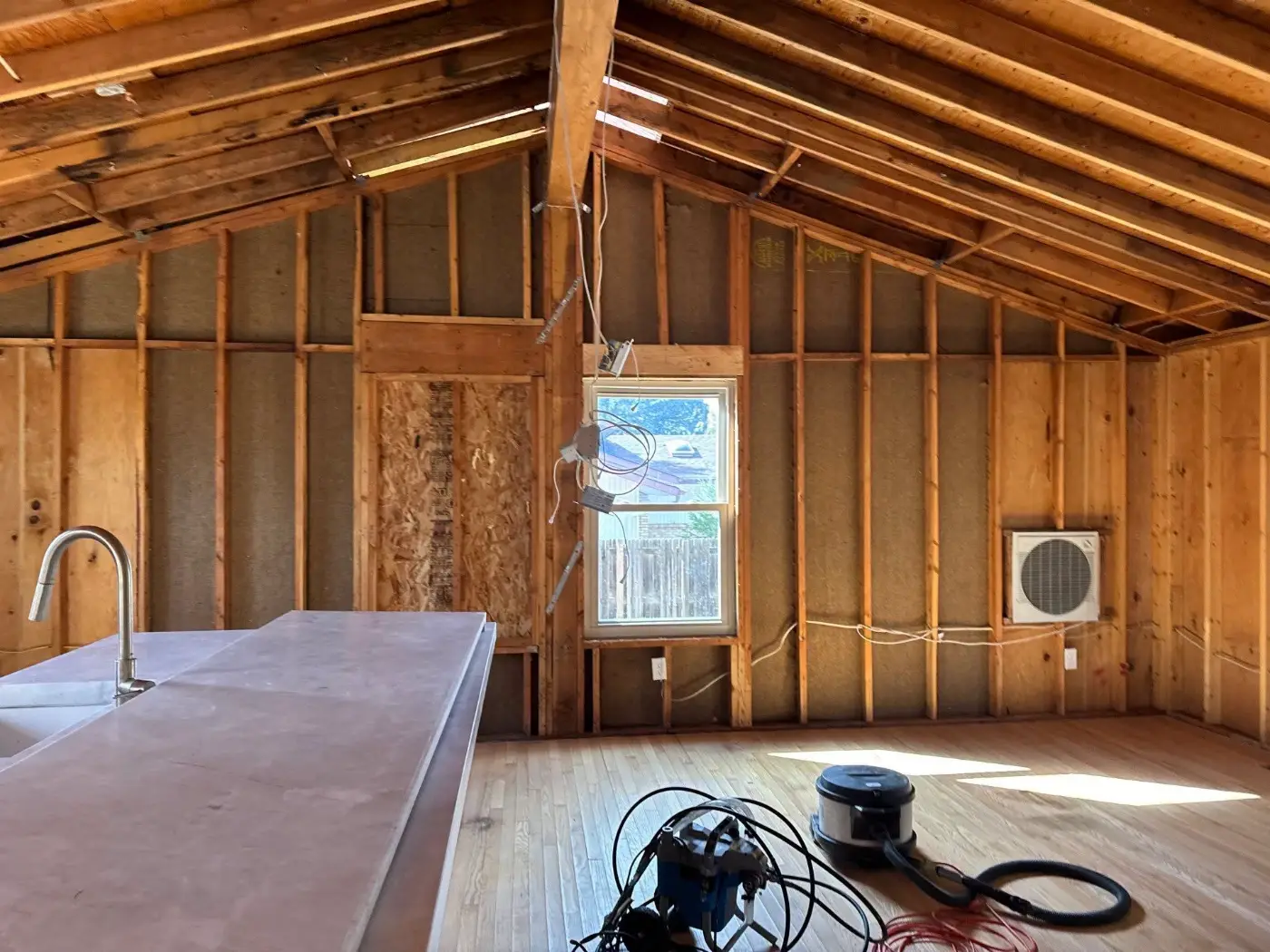
What is emergency board-up?
Emergency board-up is the temporary securing of a damaged building by covering broken windows, damaged doors and openings in walls with plywood, and covering roof damage with tarps, to keep out weather, animals and intruders until permanent repairs are made. It is usually the very first step after a house fire, and often after storm damage or a vehicle hitting a house.
Board-up is one of the main ways to meet that requirement.
When do you need board-up?
- After a fire. Firefighters often break windows and cut holes in the roof to vent smoke and heat. Those openings need covering right away.
- After storm damage. High winds and falling trees can break windows, damage doors and puncture roofs.
- After a vehicle impact. A car into a wall or garage leaves a structural opening.
- After a break-in. Broken doors and windows need securing until they can be replaced.
- For a vacant damaged property. An empty, damaged house attracts trespassers and scrappers.
How board-up and tarping work
- Assess the openingsEvery broken window, damaged door and roof or wall opening is checked, along with the structure around it.
- Secure windows and doorsPlywood is cut to fit and fastened over openings, from the outside where possible. A secured entry door may be installed so the owner can get in.
- Tarp the roofHeavy-duty tarps are fastened over roof damage and anchored with boards so wind cannot lift them.
- Brace if neededDamaged walls or sections of roof may be temporarily braced for safety.
- DocumentPhotos are taken before and after board-up.
Why board-up matters after a fire
A fire leaves the house vulnerable in several ways at once. Rain coming through a vented roof soaks insulation and drywall that might have been cleaned. Open windows let in animals and debris. Unsecured homes can be entered by people looking for copper and appliances. Boarding up quickly protects what can still be saved and keeps the rest of the fire and smoke damage restoration on track.
Roof tarping after storms
Storm damage is common in the valley, where trees grow close to homes on hillside lots and older trees line many streets. When a limb or tree comes through a roof, water can pour in with the next rain. A properly installed tarp is fastened under boards along its edges and extends over the ridge so water runs off rather than under it. Water that has already come in is handled as storm and flood damage or ceiling and drywall water damage, depending on how much and where.
Stay off a damaged roofFire- or storm-damaged roofs can give way, and wet roofs are slippery. Leave roof tarping to a crew with fall protection.
What you can do right now
- Stay out of the building until the fire department or a professional says it is safe.
- Photograph the openings from outside before anything is covered.
- Remove valuables you can reach safely, such as documents, medications and jewelry.
- Let neighbors know the home is empty so they can watch for anyone around it.
What board-up materials are used?
Openings are usually covered with exterior-grade plywood, cut to fit and fastened to the window or door frame with screws rather than nails, so the frame is easy to repair later. Roof openings get heavy-duty tarps held down with boards along the edges and run over the ridge, so rain runs off rather than under them. Large openings in walls may be framed and sheathed temporarily.
Board-up help across the county
Board-up requests come from every part of the area, from older homes in the East End and North Charleston to properties in Cross Lanes, Malden and Rand and Marmet. Board-up is the first step of fire restoration, followed by smoke damage cleanup and soot removal. For water, fire and mold help anywhere, see damage restoration in Charleston.
Call to be connected with an independent local provider for board-up and tarping.
Emergency board-up FAQs
How fast should a house be boarded up after a fire?
The same day if possible. The longer openings are left exposed, the more risk of rain damage, animals and break-ins.
Will boarding up damage my house further?
Board-up is fastened to the frame around openings in ways that are easy to repair when permanent windows and doors are installed.
How long can a board-up stay in place?
Plywood and properly secured tarps can last weeks to a few months, but tarps should be checked after storms and replaced if they loosen or tear.
Can I board up my own windows?
For a single broken window on the ground floor, yes, with plywood screwed to the frame. Upper-story windows, roof openings and fire-damaged structures are safer left to a crew.