The short answer
After water damage in a commercial building: make it safe and stop the source, notify affected tenants, document the damage, call for extraction and drying, isolate the affected area so the rest of the building can keep operating, and report to the property’s insurer. Keep a written log of every decision and every communication.
Why commercial losses are different
A burst pipe in a house affects one household. In a commercial building, the same pipe can soak several tenant spaces, an elevator pit, shared corridors and the floor below. Water moves through ceiling plenums, along conduit and down stairwells. Different parts of the loss may belong to different parties: the landlord owns the building, the tenants own their fixtures and inventory, and both may have separate insurance. Restoration has to work around business hours, security and safety codes.
The first hour
- Stop the sourceShut off the water at the fixture, the riser or the main. Know where every shutoff in the building is before you need it.
- Make it safeCut power to wet areas at the panel if it can be done safely. Keep people out of areas with sagging ceilings or standing water near electrical equipment.
- Contain the spreadClose doors, put down towels or barriers, and protect elevators by sending cars to a floor above the water.
- Notify tenantsTell affected tenants what happened, which areas are closed and what they should protect.
- Document everythingPhotograph and video every affected space, including above ceiling tiles where possible.
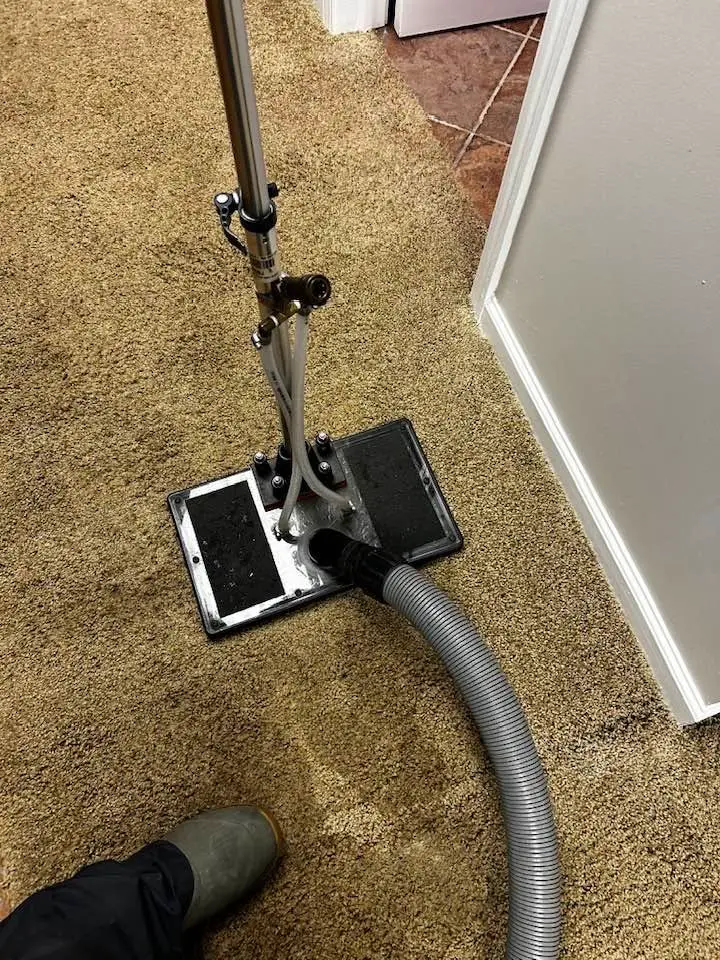
- Call for extractionThe sooner water is out of carpet tile, drywall and ceiling spaces, the less has to be replaced.
Communicating with tenants
Clear, early communication prevents most disputes. Tell tenants:
- Which spaces are affected and which are safe to use
- Whether water, power or HVAC will be shut off and for how long
- What they should move or protect, especially electronics, files and inventory
- Who to contact with questions, and when you will update them next
- That they should contact their own insurer for their contents and business interruption
Put the main points in writing by email and keep copies.
Keeping the business open
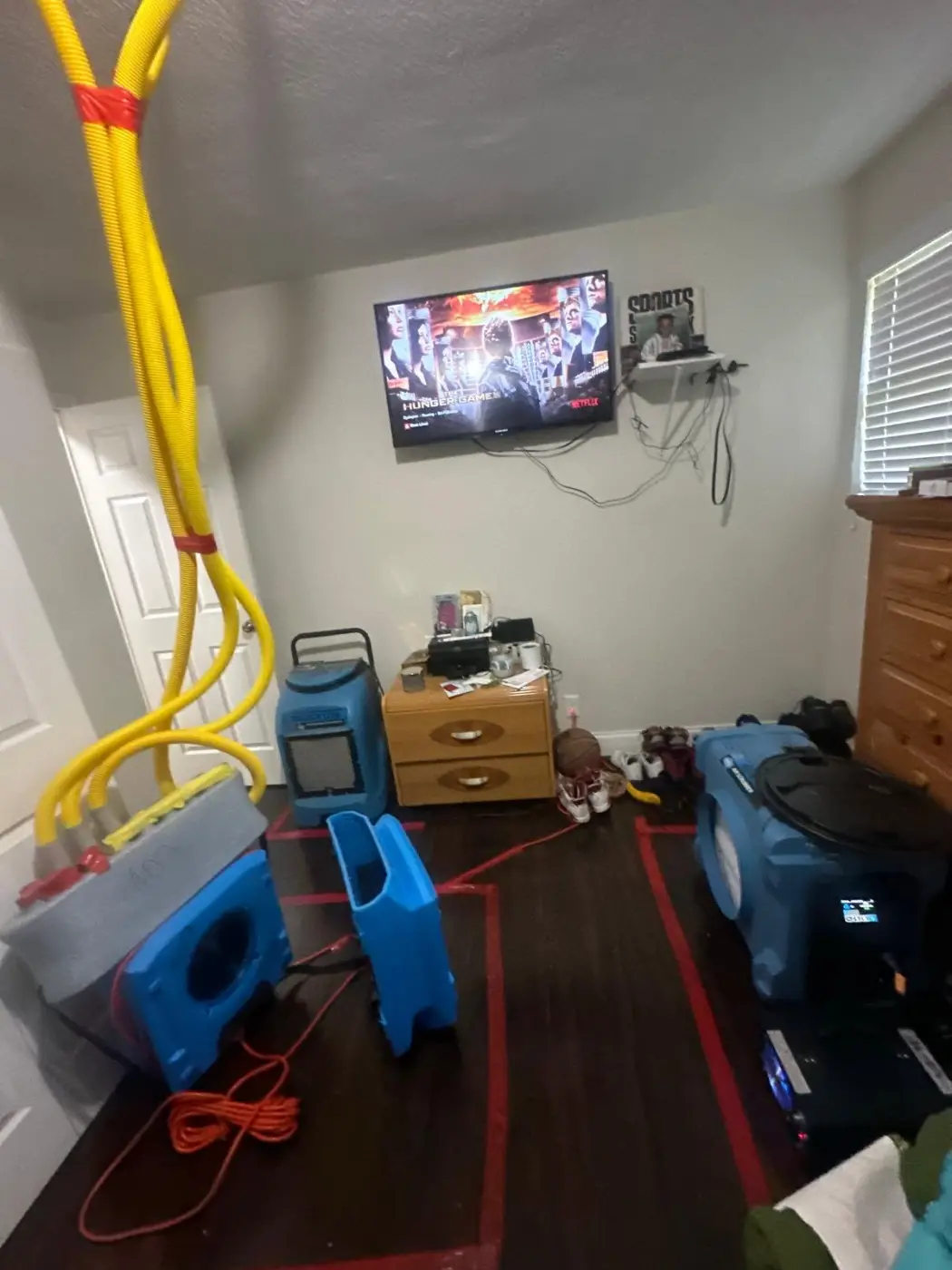
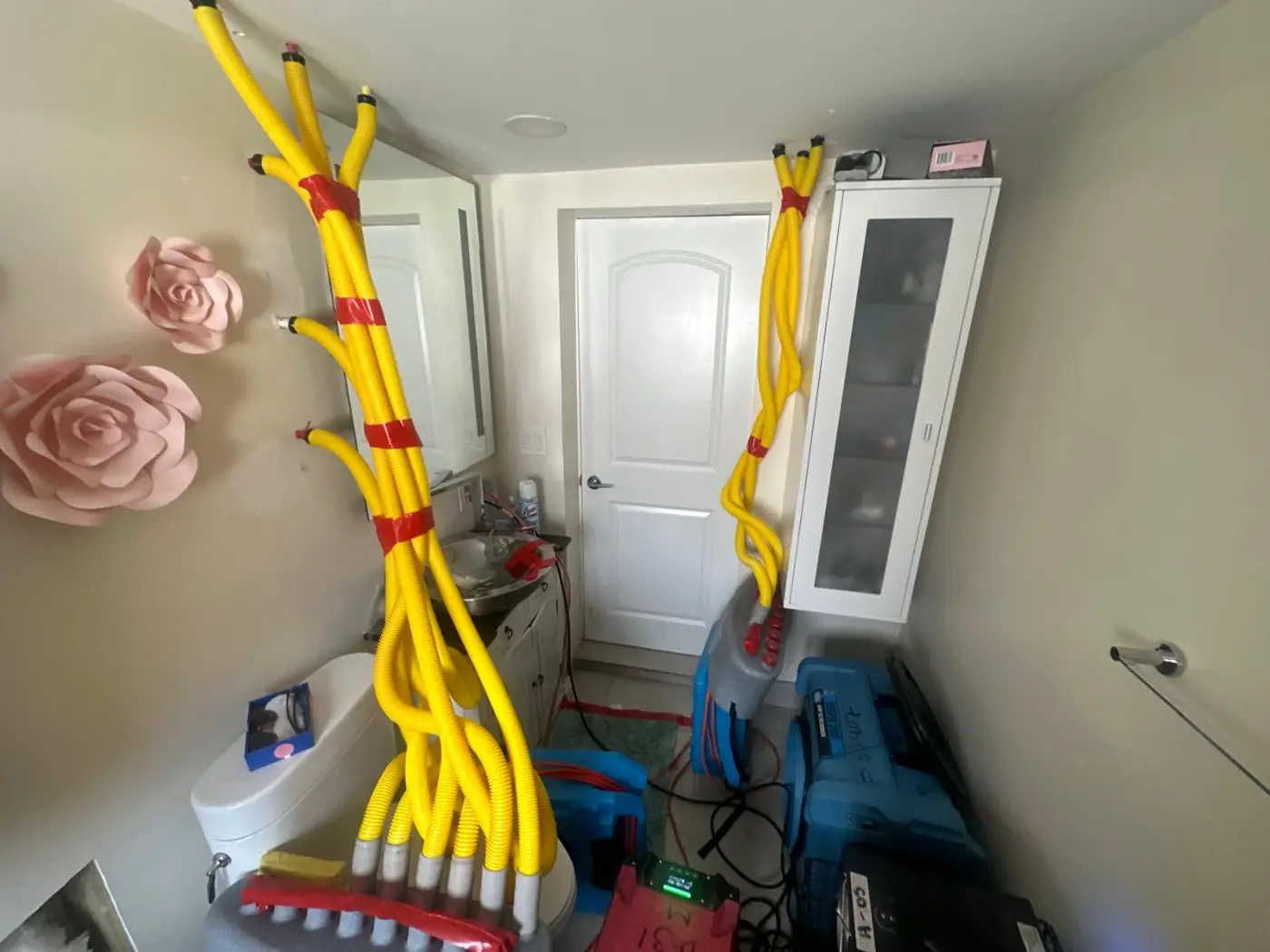
Professional drying in a commercial space is planned around operations. Containment walls with zip doors can separate a work area from the rest of a floor. Drying equipment can sometimes run overnight in occupied offices and be moved during the day. Dehumidifiers and air scrubbers keep conditions acceptable in nearby spaces. Things to plan with the restoration team:
- Which areas must stay open, and when
- Noise limits and after-hours access
- Security for the building and tenant spaces during work
- Whether the work affects fire alarm systems, sprinklers or elevators
Common commercial water sources
- Fire sprinkler heads and lines, including freeze damage in unheated stairwells and loading areas
- Roof drains and flat roofs during heavy rain
- HVAC condensate lines and rooftop units
- Water heaters, restroom plumbing and break room appliances
- Tenant build-outs with poorly connected lines
- Sewer backups in lower levels
Documentation that protects you
Keep a loss file with:
- Time the damage was discovered and by whom
- Photos and video before, during and after cleanup
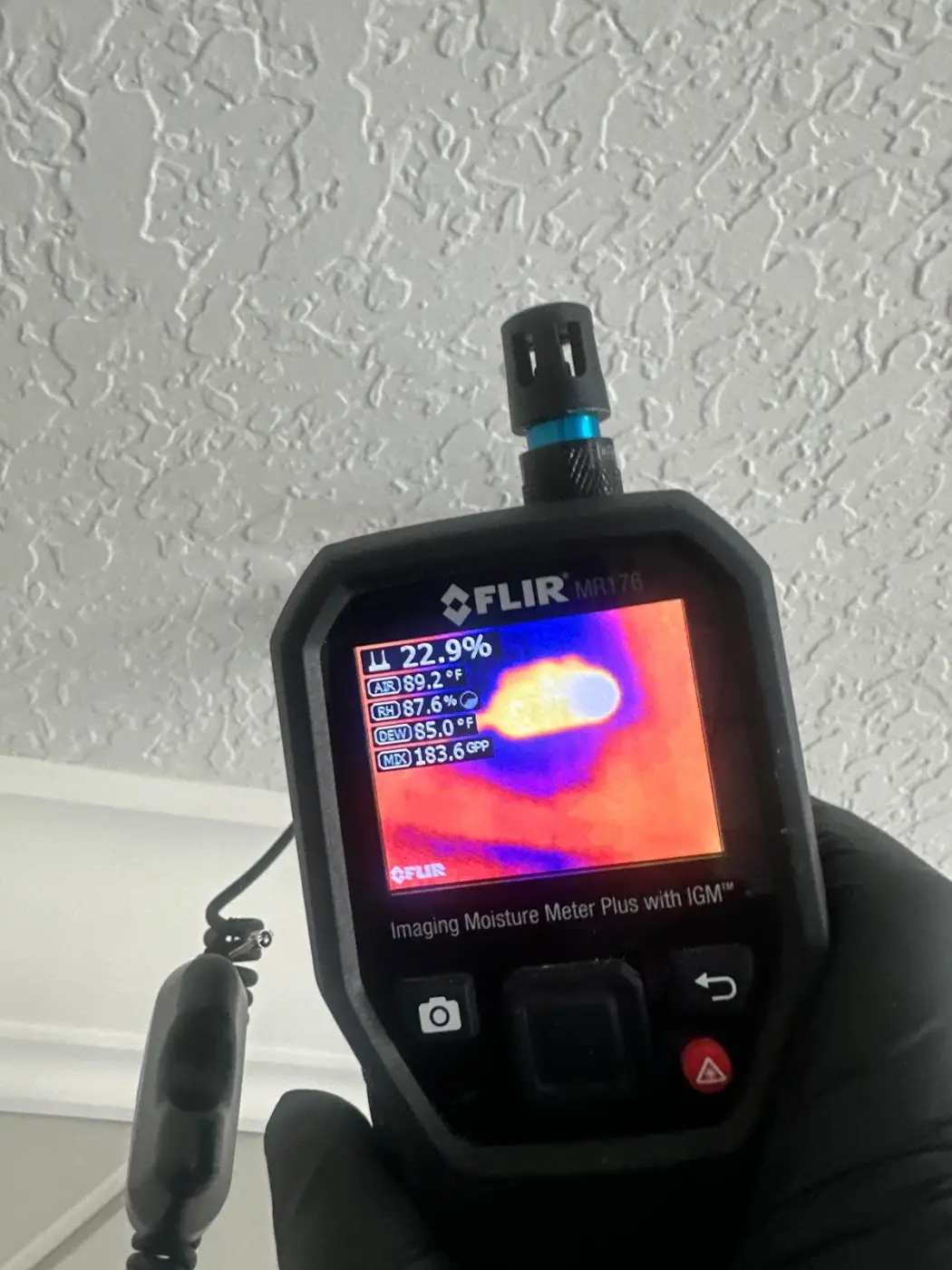
- Moisture maps and daily drying logs from the restoration team
- Notices sent to tenants and their replies
- Invoices for emergency work, equipment and any temporary relocation
- The cause of loss, and any failed part
This file is what the property’s insurer, tenants’ insurers and, if needed, attorneys will rely on. For how insurers usually look at sudden versus gradual damage, see does homeowners insurance cover water damage; commercial policies differ in detail but follow many of the same principles.
Mold and indoor air in commercial spaces
Commercial spaces often have large areas of carpet, drywall and ceiling tile, all of which grow mold if not dried quickly. Occupants may report smells or symptoms before anyone sees growth. Dry thoroughly, replace stained ceiling tiles, and act on complaints quickly. What causes mold to grow after water damage explains the timeline.
Apartments and rental homes
For landlords with apartments or single-family rentals in Charleston, the same principles apply on a smaller scale. Stop the water, protect tenants, document, and dry quickly. Know what your lease says about access and who handles tenant belongings. A tenant may need temporary housing if the unit is not livable; your policy may cover lost rent.
Planning ahead
The best time to plan is before a loss. Walk the building and label shutoffs. Keep an emergency contact list for tenants, utilities and contractors. Know your policy limits and deductibles. Schedule roof and plumbing inspections, especially before winter. The water damage restoration page covers the full process, emergency water removal covers the first visit, and how structural drying works explains the equipment you will see.
Call now and our team handles commercial jobs in Kanawha County.
Commercial water damage FAQs
Who is responsible for tenant property after water damage?
It depends on the lease and the cause. In many cases the landlord’s policy covers the building and the tenant’s policy covers their contents and lost income. Check the lease and notify both insurers.
Can drying be done while the business stays open?
Often, yes. Containment, scheduling and equipment placement can let unaffected areas stay open while affected areas are dried.
How soon should tenants be told?
As soon as the area is safe and the source is stopped. Early notice lets tenants protect their property and plan around the disruption.