The short answer
Smoke odor is removed in three stages: clean or remove the materials holding the smoke residue, treat what cannot be reached with deodorizing methods such as thermal fogging, hydroxyl generators or ozone, and seal stubborn surfaces before repainting. Air fresheners, candles and open windows only hide the smell for a while.
Why smoke smell is so hard to get rid of
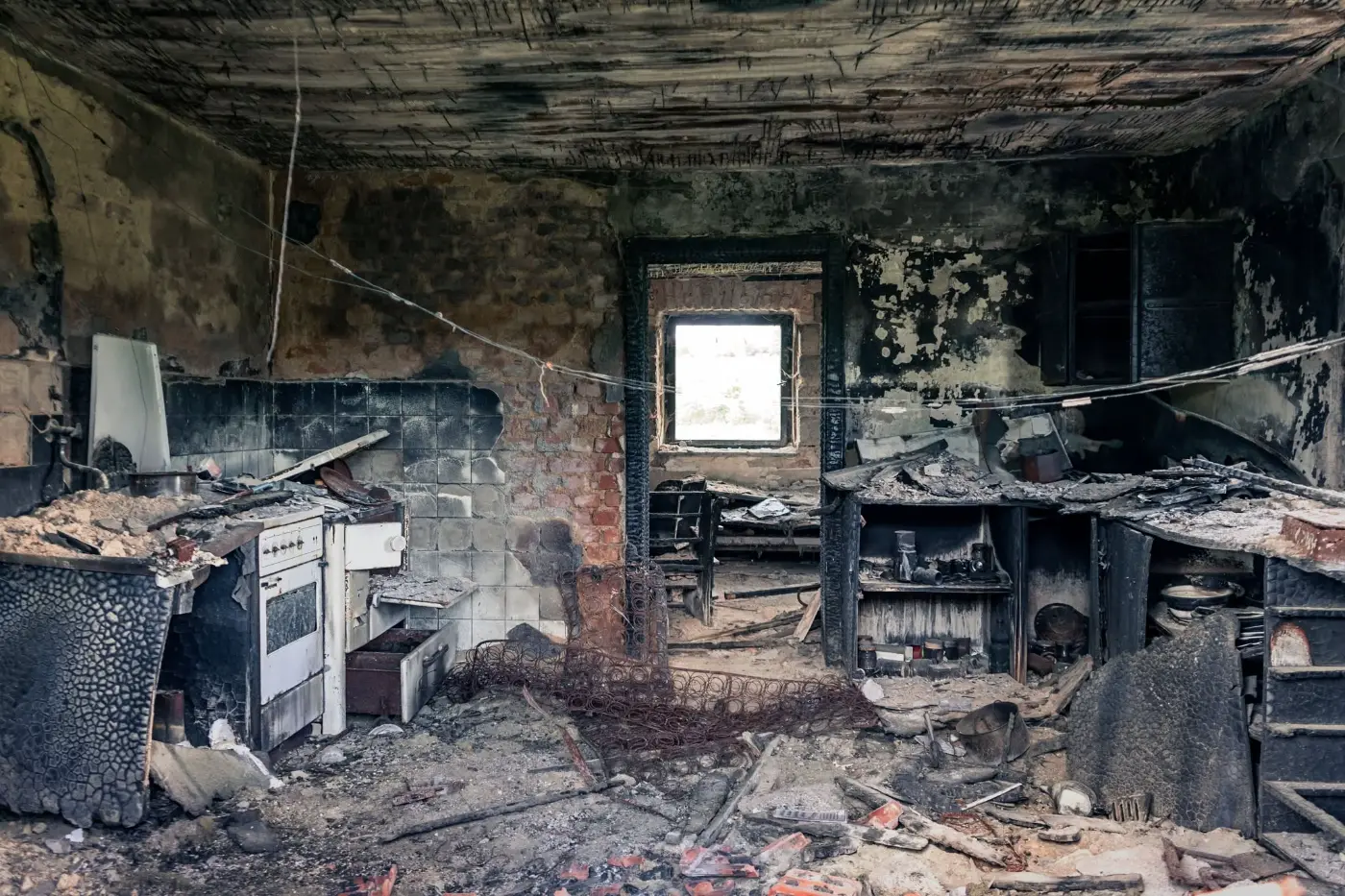
Smoke from a house fire is a mix of microscopic particles, oily residue and gases. Heat opens up the pores in wood, drywall and fabric, and smoke is drawn into them. When the house cools, the pores close and trap the residue. That is why odor seems gone on a dry day and comes back in humid weather, or when the heat is turned on: the materials release it again.
Smoke also travels. It moves through gaps around outlets, attic openings, wall cavities and especially the HVAC system, so rooms far from the fire can smell as strong as the room where it started.
Step 1: Find and remove the sources
Odor removal starts with cleaning, not with a machine. A restoration team will:
- Remove what cannot be cleaned. Charred drywall, insulation, carpet and pad that absorbed heavy smoke are taken out.
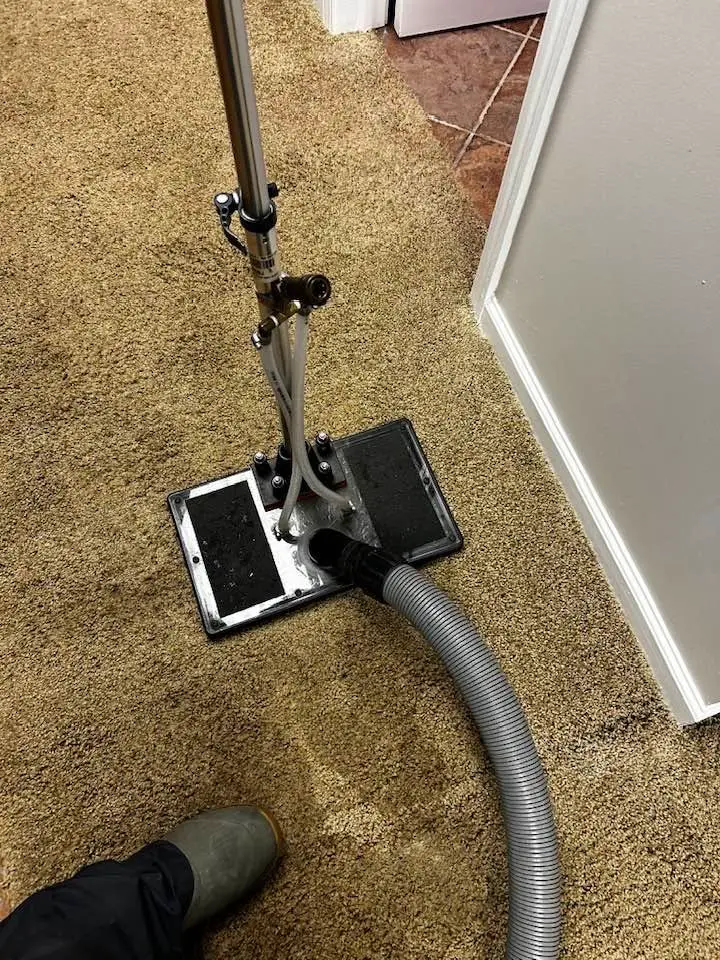
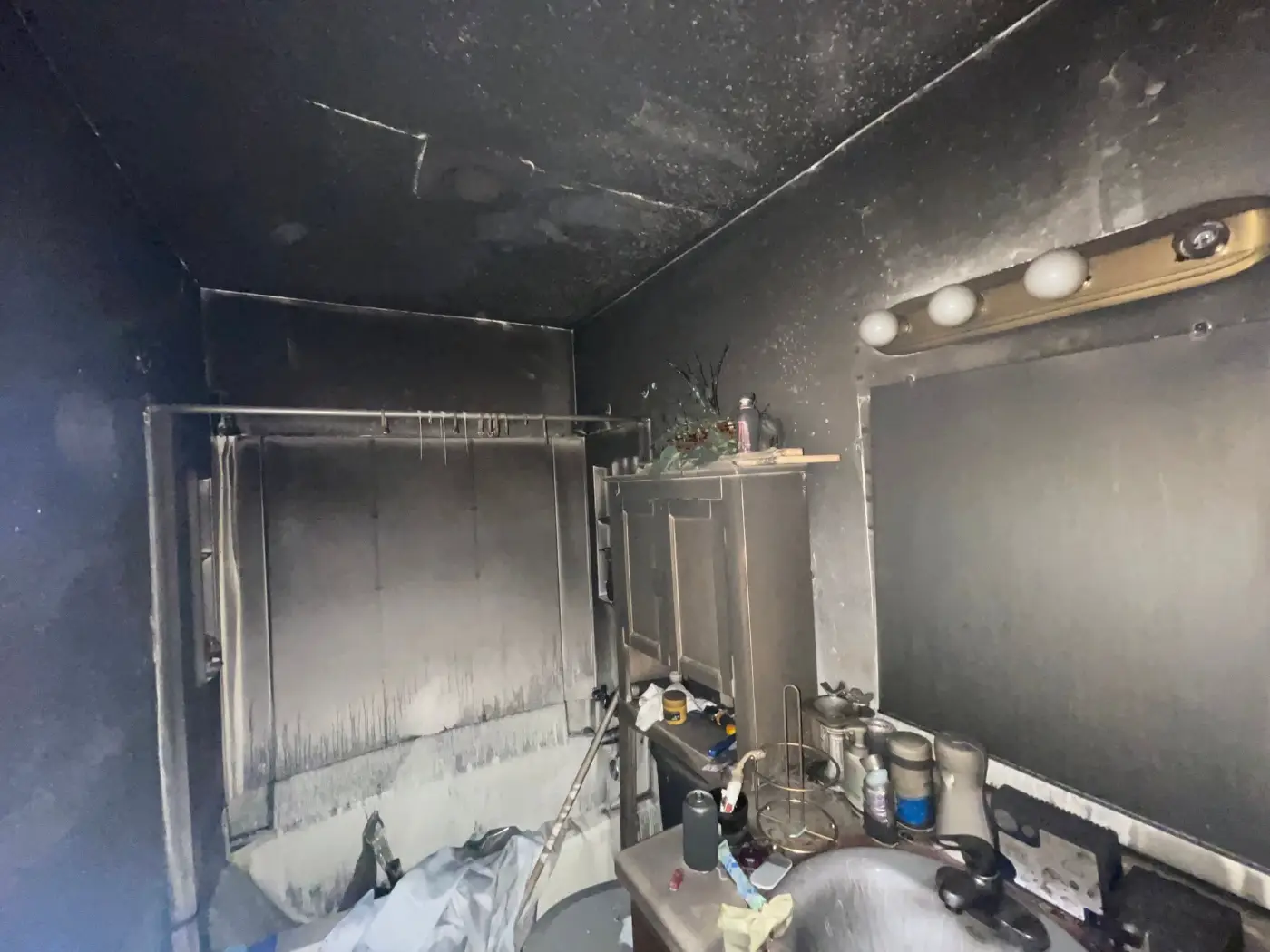
- Clean every surface from the top down: ceilings, walls, cabinets inside and out, floors and fixtures, using cleaners matched to the soot type.
- Clean or replace the HVAC system. Ducts, the air handler and the coil are cleaned, and filters replaced. Skipping this is the most common reason smell returns.
- Clean contents. Hard furniture and dishes are washed; fabrics go to specialized cleaning; upholstered items are evaluated one by one.
Soot removal and smoke damage cleanup describe this stage in detail.
Step 2: Deodorize what is left
Once the residue is gone, deodorizing treats the odor molecules that remain in the structure and the air.
| Method | How it works | Good to know |
|---|---|---|
| Thermal fogging | A heated deodorant is fogged into the space and penetrates porous materials the way the smoke did | The house is usually vacated during and shortly after treatment |
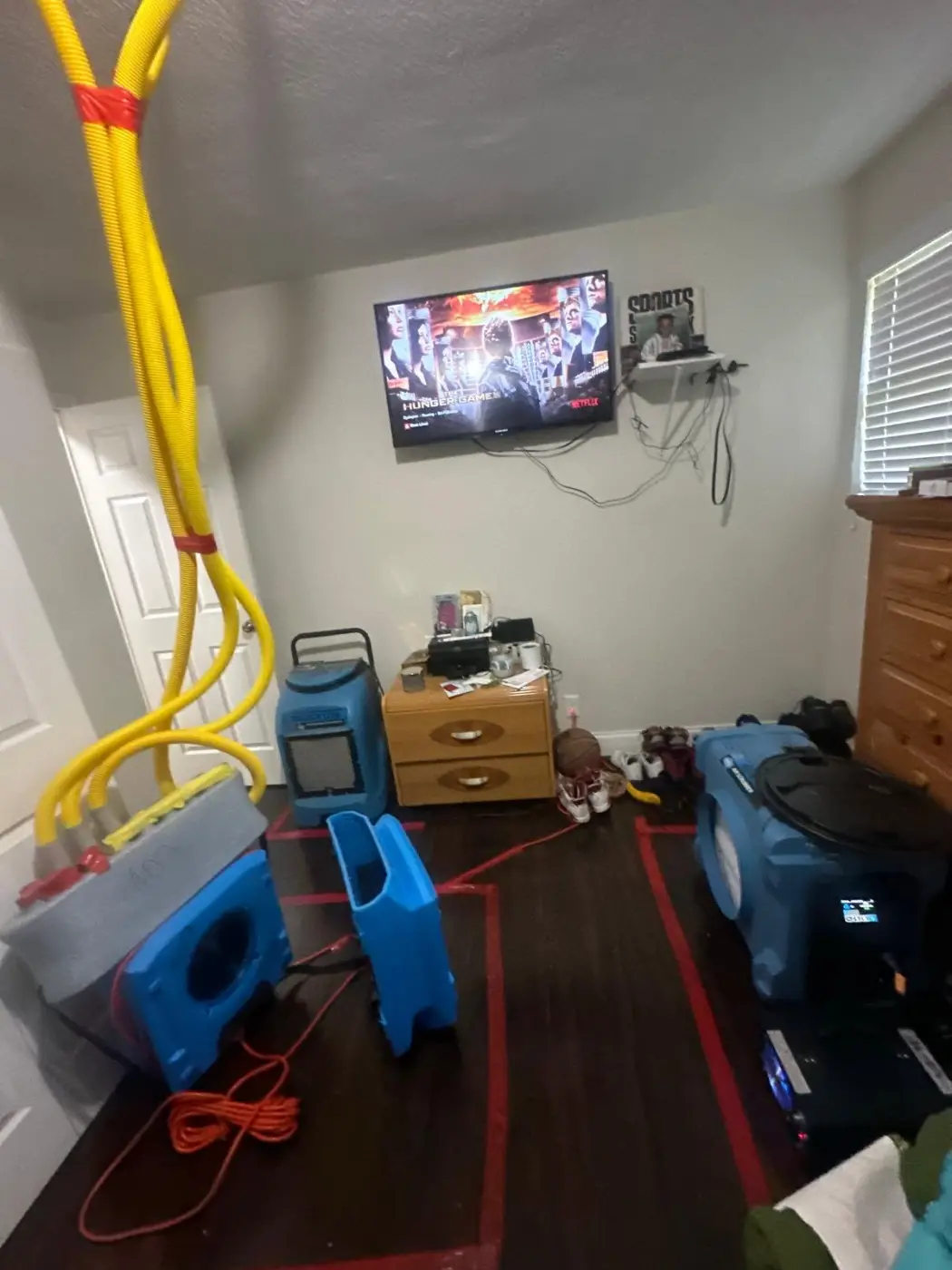
| Hydroxyl generators | Produce hydroxyl radicals that break down odor molecules in the air and on surfaces | Can often run with people and pets present; slower than ozone |
| Ozone generators | Produce ozone that oxidizes odor molecules | Effective but unsafe to breathe; the house must be empty of people, pets and plants during treatment and aired out after |
| HEPA air scrubbers | Filter fine particles out of the air | Used during and after cleaning to capture airborne soot |
| Activated carbon | Absorbs odor from the air | Helpful for light, lingering odor |
The method is chosen based on how strong the odor is, what materials are involved and whether the house is occupied.
Step 3: Seal and refinish
Some materials, like framing that was exposed but not burned, still hold a trace of odor after cleaning. These are sealed with an odor-blocking primer before new drywall goes up or before repainting. Painting with ordinary paint over smoke-damaged walls does not work; stains and smell bleed through.
Why home remedies fall short
Vinegar bowls, baking soda, coffee grounds and air fresheners absorb or mask a small amount of odor in the air. They do not reach residue inside walls, insulation, ductwork or furniture, so the smell returns. Washing walls with household cleaners can help after a very small fire, but on heavier soot it often smears the residue and sets the stain.
Smoke odor from other sources
The same process works for odor from a furnace puff-back, a scorched pot left on the stove, a fire in a neighboring apartment, or long-term cigarette smoke. A kitchen fire often leaves protein residue, a nearly invisible film with a very strong smell; see kitchen fire cleanup.
How to tell the odor is really gone
Check on a warm, humid day and after the heat or air conditioning has run for a while. Open closets and cabinets and smell inside them. Stand near supply vents. If the smell returns in any of those situations, a source is still in the house. A good restoration team will come back and treat it.
Timeline
Light odor after a small fire may be resolved in a few days of cleaning and treatment. Heavy odor after a large fire often takes a week or more, with removal of materials, cleaning, deodorizing and sealing done in stages. For everything that happens in the first days after a fire, read what to do after a house fire, and for the service itself, see smoke odor removal.
Call Kanawha Restoration for smoke odor removal.
Smoke odor FAQs
Is ozone safe for removing smoke odor?
Ozone works, but it is harmful to breathe. The home has to be empty of people, pets and plants during treatment and aired out before anyone returns.
Can smoke smell be removed from clothes?
Usually. Specialized laundering or dry cleaning removes smoke from most clothing. Washing heavily smoked items in a home machine can set the odor and transfer residue.
Why does the smell come back when it rains?
Humidity draws trapped odor out of porous materials. It means some residue is still in the house, usually in ducts, insulation or framing.