The short answer
To reduce basement moisture, control water from the outside in: keep gutters clean, extend downspouts well away from the house, make the soil slope away from the foundation, keep window wells and stairwell drains clear, maintain a reliable sump pump with a backup, seal cracks and gaps, and consider interior or exterior drainage if water still gets in. Then control humidity inside with a dehumidifier.
Find out where the water comes from
Before spending money, work out how water is entering. A few clues:
| What you see | Likely source |
|---|---|
| Water at the floor-wall joint after rain | Hydrostatic pressure from saturated soil; often gutters, downspouts or grading |
| Damp patch on one wall below a downspout or low spot | Surface water collecting at that spot |
| Water rising through floor cracks | High groundwater, common near the rivers |
| Damp walls with white, chalky deposits | Water moving through the concrete or block over time |
| Damp walls and sweating pipes in summer only | Condensation from humid air, not a leak |
| Water near the water heater or a wall with pipes | Plumbing |
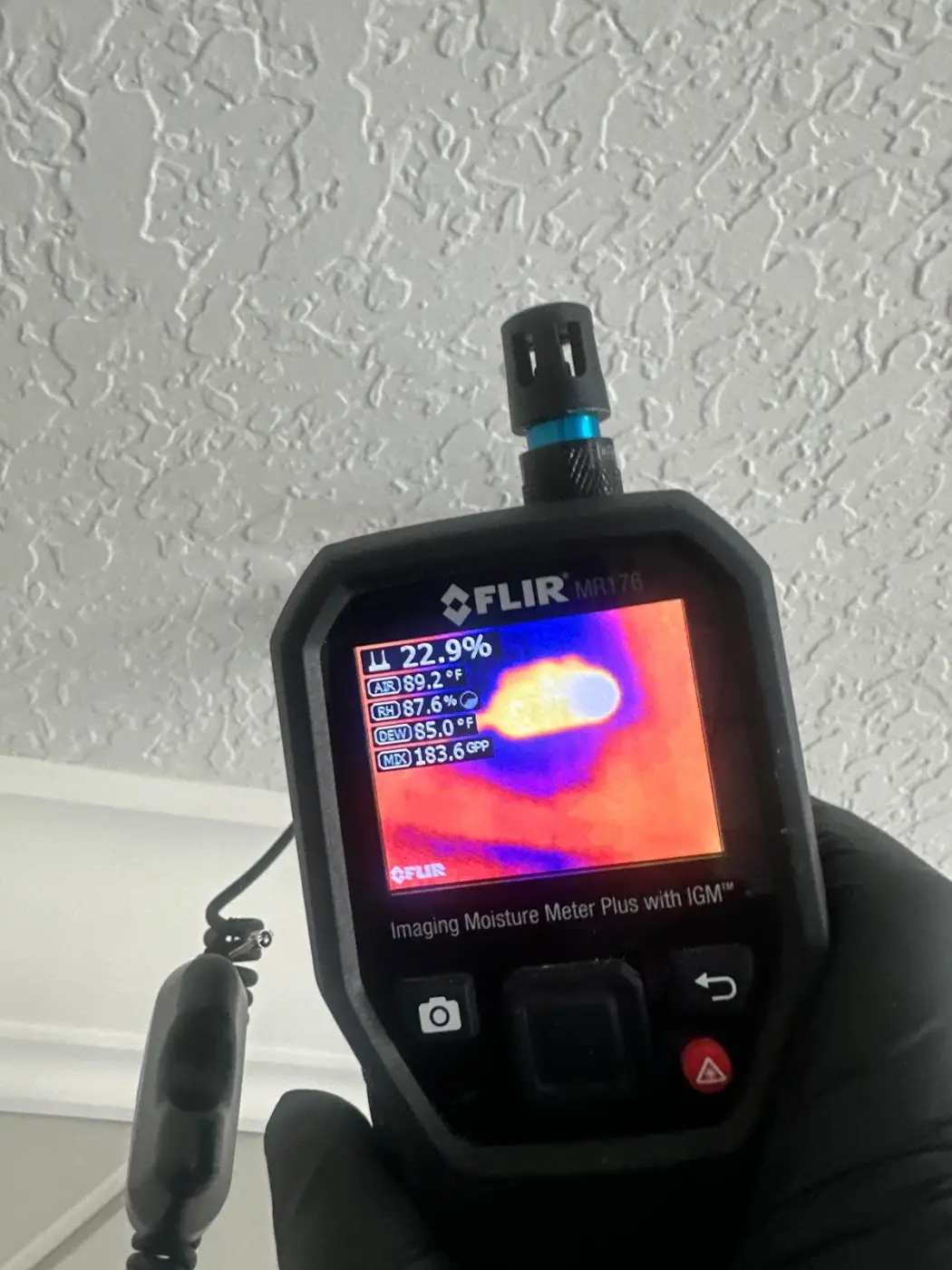
A simple test: tape a square of plastic wrap to the damp wall and leave it a day. Moisture on the room side means condensation; moisture behind the plastic means water is coming through the wall.
Outside fixes, in order of cost
1. Gutters. Clean them at least twice a year and make sure they slope to the downspouts. Overflowing gutters dump hundreds of gallons against the foundation in a heavy rain.
2. Downspouts. Extend them 5 to 10 feet from the house, or connect them to buried pipe that daylights downhill. This is the cheapest fix with the biggest effect.
3. Grading. The soil should fall away from the house, ideally several inches over the first 10 feet. Fill settled areas with compacted soil, not mulch or gravel alone.
4. Window wells and stairwells. Clear the drains in exterior basement stairs, add covers to window wells and make sure the gravel in the well drains.
5. Landscaping. Keep beds from trapping water against the house, and do not let lawn irrigation spray the foundation.
Hillside lots need extra attention
Many homes in South Hills, Spring Hill, the upper West Side and Cross Lanes are built into slopes, with the back of the basement buried. Water from everything uphill runs toward that wall. On these lots, a swale or curtain drain uphill of the house can intercept the water before it reaches the foundation. A landscape or drainage contractor can assess the slope.
River-bottom lots face groundwater
Homes on the flat ground near the Kanawha and Elk rivers, such as Kanawha City and parts of Malden, Marmet and North Charleston, can get water from below when groundwater rises. Gutters and grading help less here. An interior drain tile system that collects water along the footing and sends it to a sump pump is often the most effective fix.
Sump pumps
If you have a sump pump, it is your basement’s most important appliance.
- Test it every few months by pouring water into the pit.
- Add a battery backup or water-powered backup pump.
- Install a high-water alarm.
- Make sure the discharge line runs well away from the house and is not frozen or blocked.
- Replace pumps that are older than about 7 to 10 years before they fail.
Cracks, gaps and walls
Small cracks in poured concrete can be sealed with injection products. Gaps where pipes enter the wall can be sealed with hydraulic cement. Block walls often let water through the cores; waterproof coatings on the inside reduce dampness but do not stop water under pressure. Bowing or bulging walls need a structural engineer, not a sealant.
Inside: control humidity
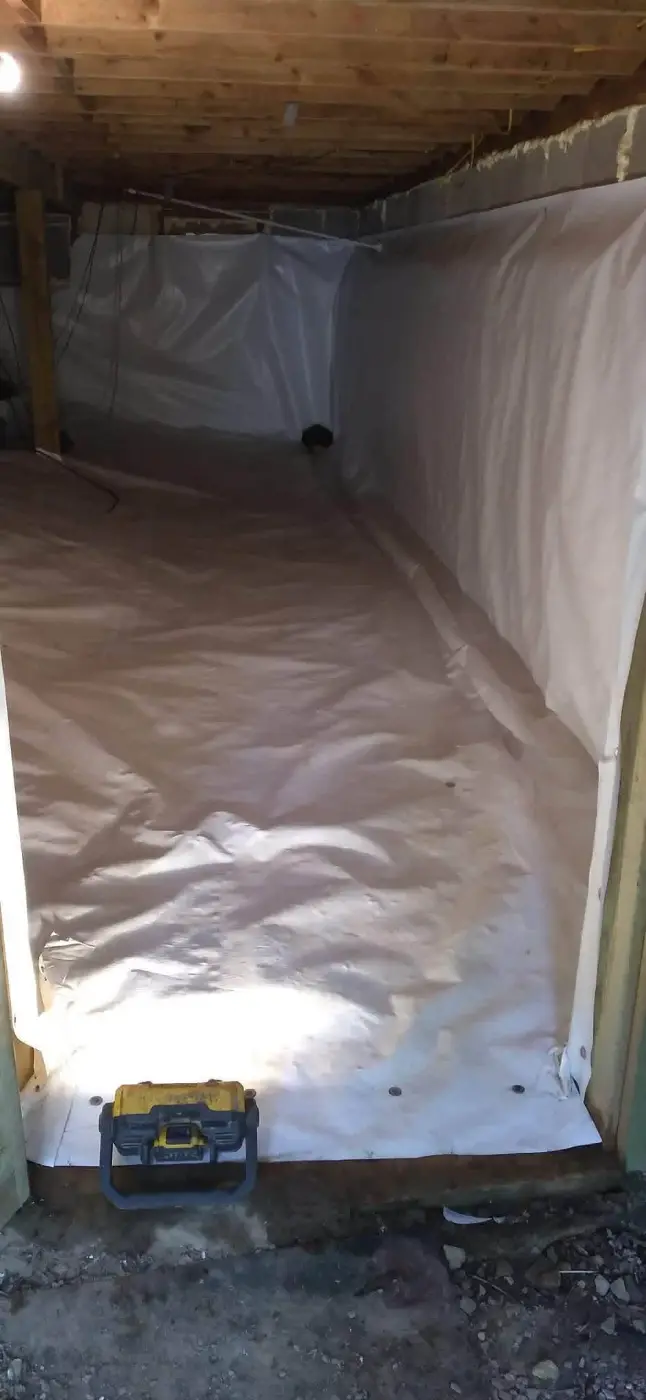
Even a basement that never leaks can be damp from humid summer air condensing on cool concrete. Run a dehumidifier set to 45 to 50 percent, drained to a floor drain or sump, through the humid months, and keep basement windows closed in summer. How to prevent mold in a damp basement covers humidity and materials in detail.
When water gets in anyway
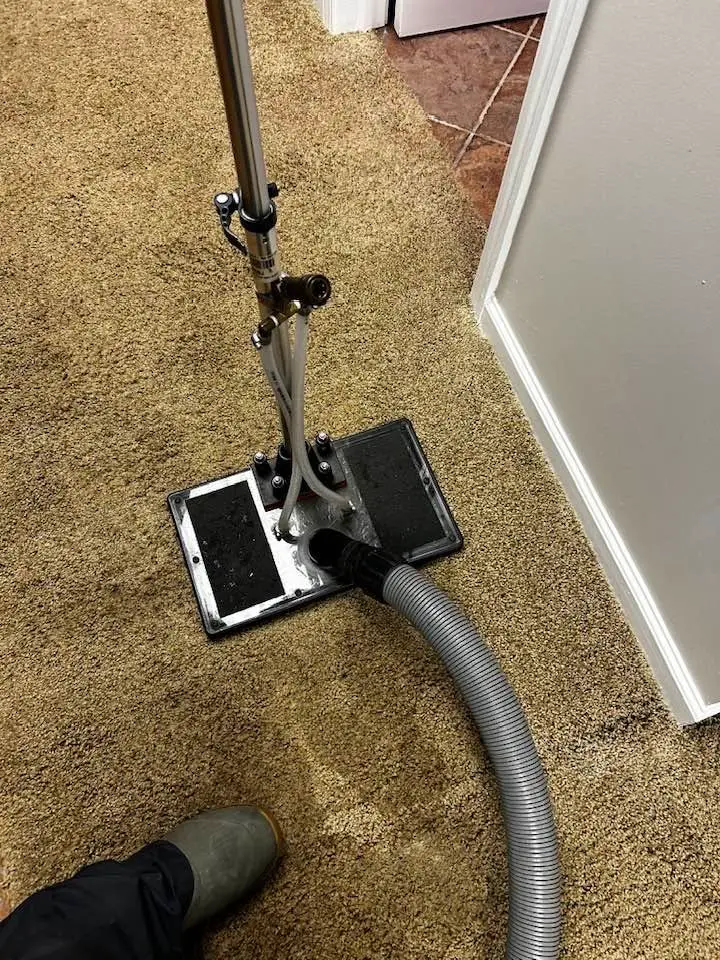
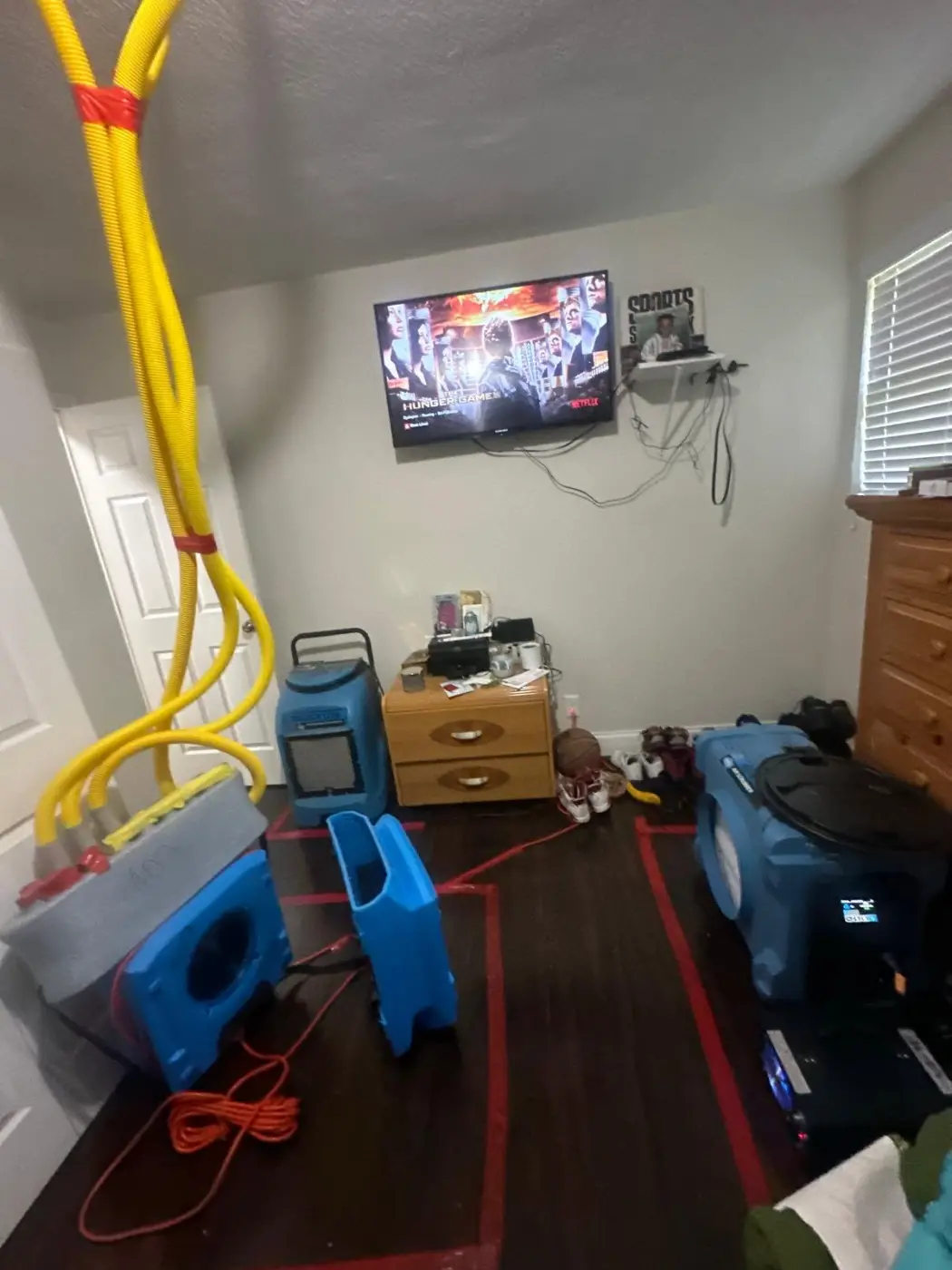
If the basement takes on water, act quickly: stop the source if you can, keep clear of electrical hazards, move belongings, photograph the damage and get extraction and drying started. Flooded basement cleanup explains the process, and what to do immediately after water damage covers the first hour. If the basement has been damp for a long time, a mold inspection is worth having before you finish or refinish it.
Call Kanawha Restoration for basement water removal and drying.
Basement moisture FAQs
Why does my basement get wet only after heavy rain?
Usually surface water: overflowing gutters, short downspouts or soil sloping toward the house saturate the ground next to the foundation and push water through.
Is basement waterproofing paint enough?
It can reduce minor dampness through concrete, but it does not stop water under pressure, and it can peel. Fix drainage first.
Should a basement have a dehumidifier all year?
Most Kanawha Valley basements need one from late spring to early fall. Many can turn it off in winter when the air is drier.