The short answer
Water mitigation is the emergency work that stops water damage from getting worse: stopping the source, extracting water, removing materials that cannot be saved and drying the structure. Water restoration is the repair work that follows: replacing drywall, insulation, flooring, cabinets and paint so the home is back to how it was. Mitigation comes first and is time-critical. Restoration comes after the structure is confirmed dry.
Side by side
| Water mitigation | Water restoration | |
|---|---|---|
| Goal | Stop the damage and dry the structure | Rebuild what was removed or ruined |
| When | Immediately, usually the same day | After drying is confirmed |
| Typical work | Extraction, tear-out of wet materials, air movers, dehumidifiers, moisture readings, antimicrobial treatment | Drywall, insulation, flooring, trim, cabinets, painting |
| Duration | Hours for extraction, days for drying | Days to weeks, depending on the scope |
| Measured by | Moisture readings that match a dry reference | Finished repairs |
| Who does it | A water damage or restoration company | The same company, or a general contractor |
What mitigation includes
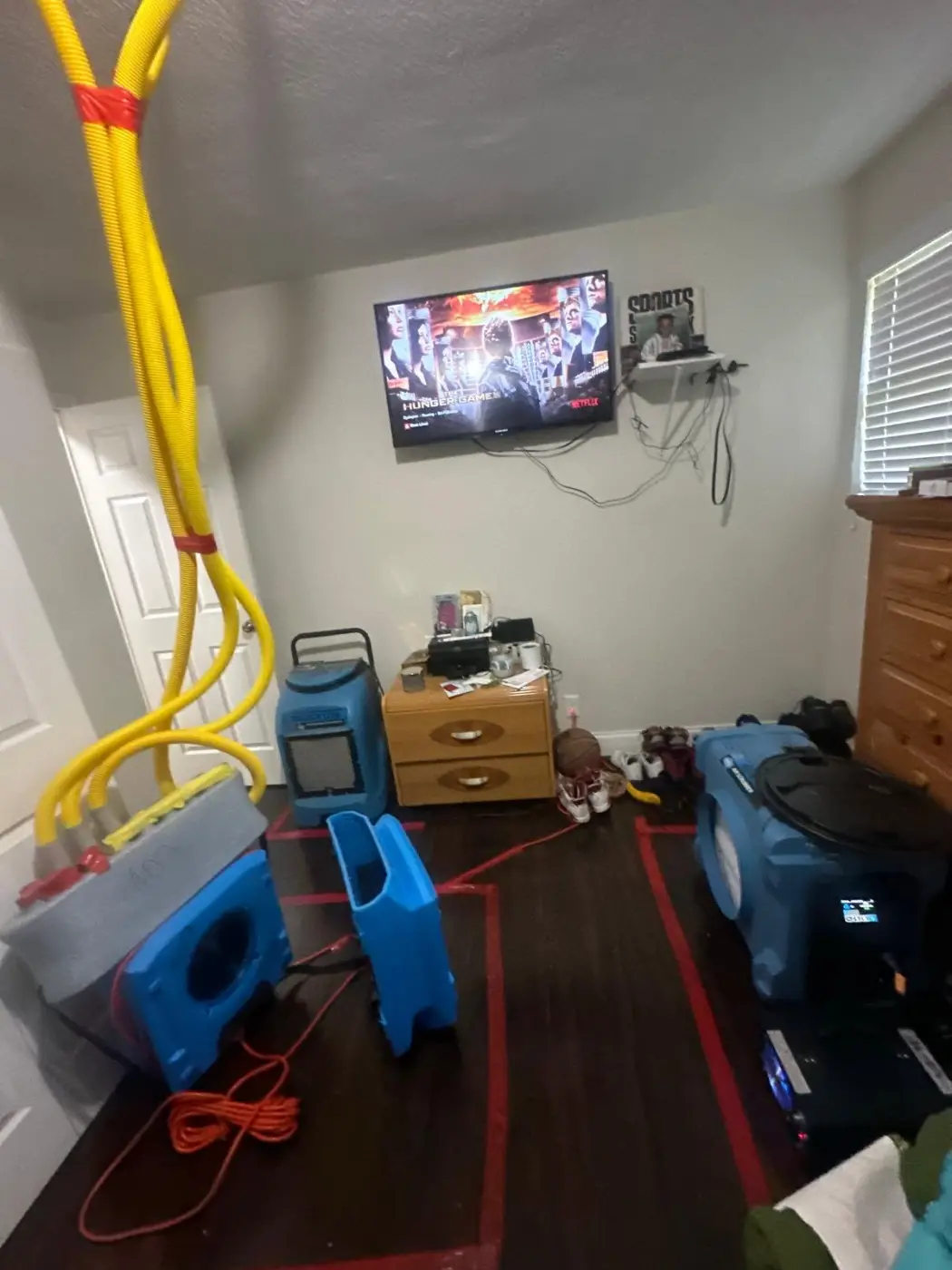
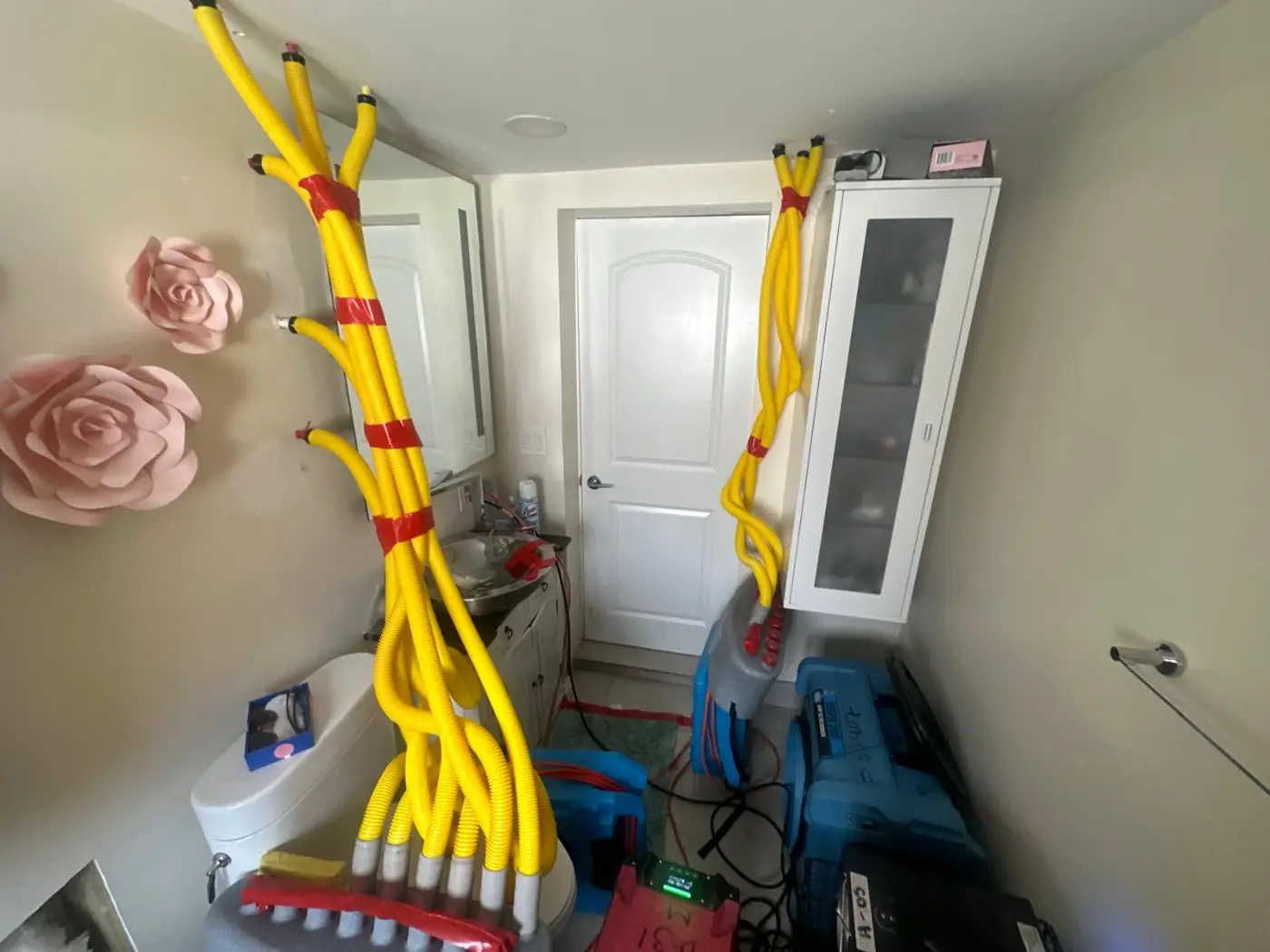
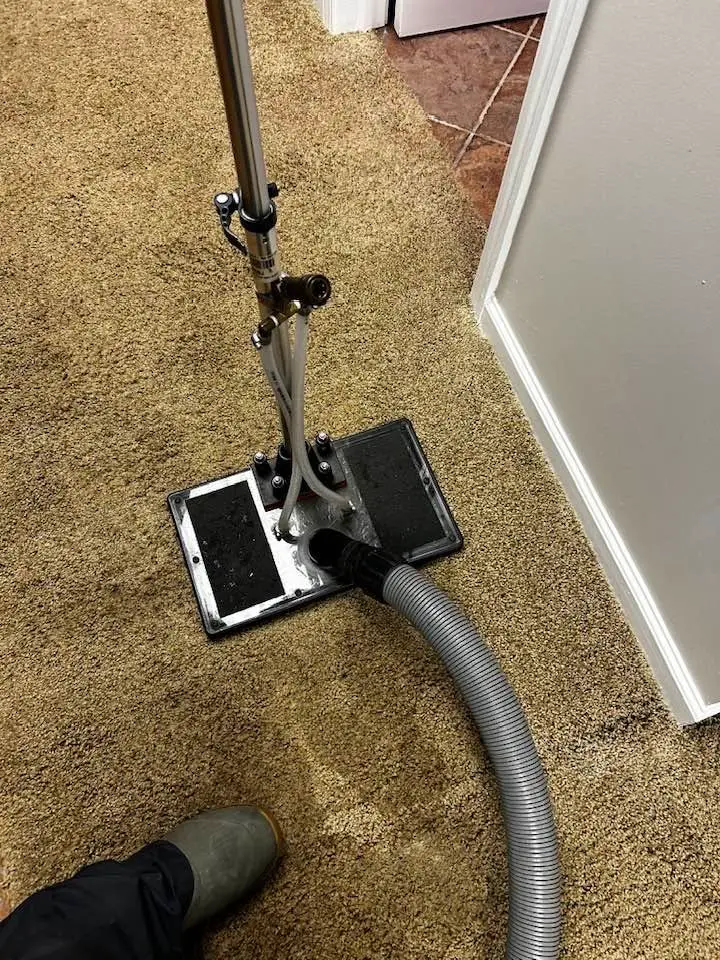
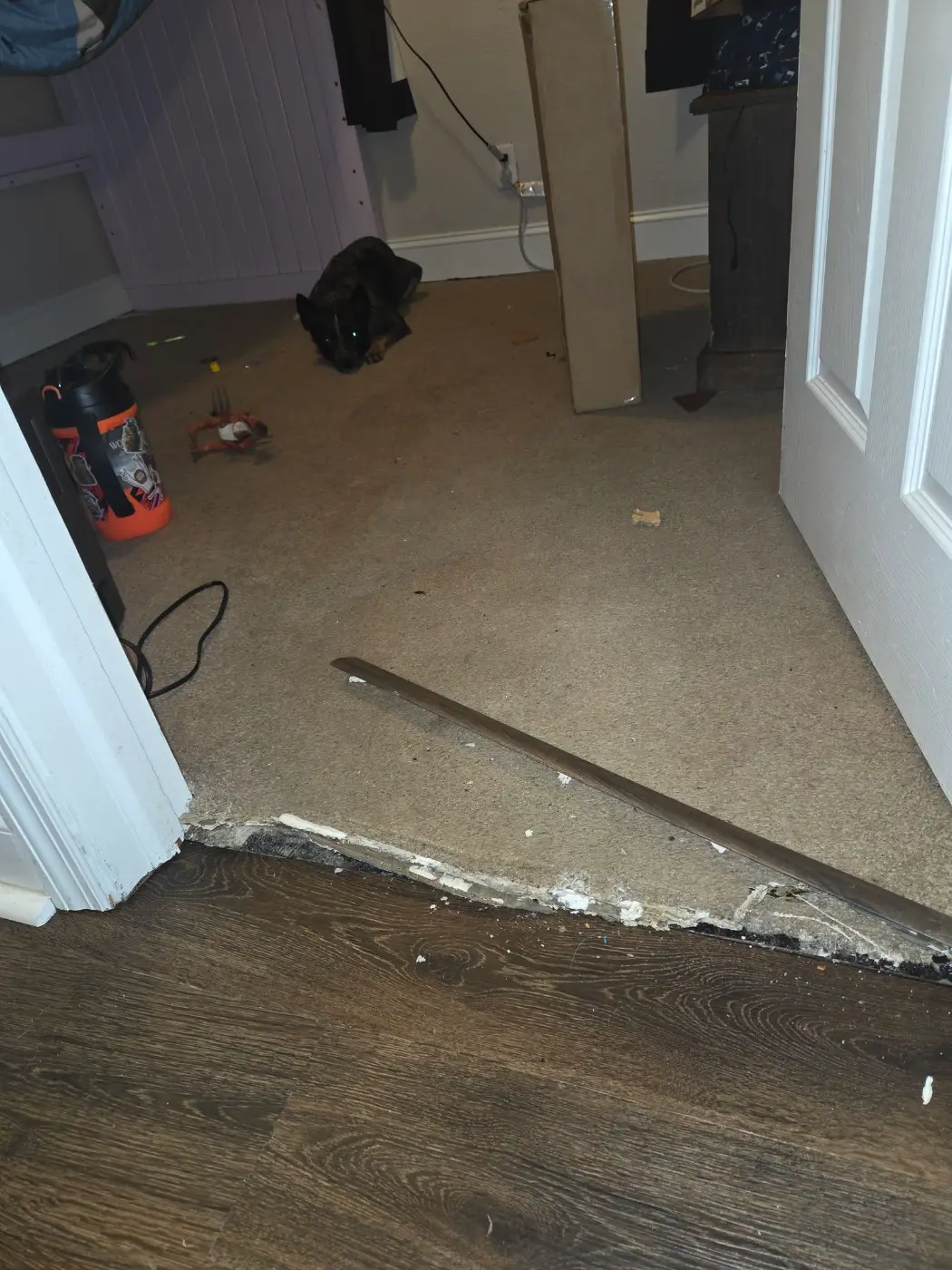
Mitigation is about limiting the loss. On the first visit, a technician typically:
- Confirms the water source is stopped and the area is electrically safe.
- Maps the wet area with moisture meters and a thermal camera.
- Extracts standing water and water held in carpet and pad.
- Removes materials that cannot be dried, such as saturated pad, swollen particleboard and drywall that wicked contaminated water.
- Sets up air movers and dehumidifiers and starts a drying log.
- Applies antimicrobial treatment where the water was gray or black.
- Protects belongings, sometimes moving contents out of the affected rooms.
The emergency water removal and water extraction and drying pages describe this stage in detail.
What restoration includes
Restoration starts once the readings say the structure is dry. It covers whatever was removed or damaged during the loss and mitigation:
- New insulation and drywall, taped, finished and painted
- Flooring replacement or refinishing
- Baseboards, trim and doors
- Cabinets and countertops
- Repairs to subfloor or framing that could not be saved
Small jobs may be a strip of drywall and paint. A flooded finished basement can be a full rebuild.
Why the order matters
Skipping or shortening mitigation to get to repairs faster is the most common mistake after water damage. Drywall hung over wet framing, or flooring laid on a damp subfloor, traps moisture and leads to mold, odor and failed finishes. The rebuild then has to be torn out a second time. Our guide to what causes mold after water damage explains why.
The opposite mistake is also costly: stopping after mitigation and leaving holes in walls and bare subfloor for months, which invites more damage and makes it harder to document what was lost.
How it shows up on estimates and claims
Mitigation and restoration are often written up as separate estimates, even when one company does both. Mitigation is usually billed by equipment days, labor and materials removed. Restoration is billed like any construction job. If you have a claim, insurers often handle mitigation quickly because it limits their cost, and review the repair estimate separately. Keep the drying log, photos and the list of removed materials; they connect the two stages. Does homeowners insurance cover water damage covers how claims usually work.
Do you need the same company for both?
No. Some restoration companies handle mitigation only and refer repairs to contractors; others do both. Using one company keeps everything in a single scope and avoids gaps between the drying and the rebuild. Using separate companies can make sense if you already have a contractor you trust. Either way, the contractor doing repairs should see the final moisture readings before closing up walls.
Which do you need right now?
If water is still present, or the leak happened in the last few days, you need mitigation first. If the area has been professionally dried and you have final readings, you are at the restoration stage. If you are not sure whether it was dried properly, have it checked before any repairs. For the first steps, see what to do immediately after water damage, and for the full picture, water damage restoration.
Call now and our team can begin mitigation right away.
Mitigation vs. restoration FAQs
Is water damage mitigation the same as water removal?
Water removal is the first part of mitigation. Mitigation also includes removing ruined materials, drying the structure and monitoring it until it is dry.
How long after mitigation can repairs start?
As soon as final moisture readings show the materials match a dry reference, usually three to seven days after the loss for a typical leak.
Does mitigation include mold removal?
Mitigation helps prevent mold by drying quickly. If mold is already growing, remediation is a separate step with containment and removal.