The short answer
To prepare your Kanawha County home for heavy rain and storms: clean gutters and extend downspouts, test the sump pump and add a battery backup, move valuables and important papers up off the basement floor, check whether you need flood insurance well before you need it, sign up for local emergency alerts, and have a plan for leaving if creeks or rivers rise.
Know your local risk
Rain causes different problems in different parts of the county:
- Near the Kanawha and Elk rivers (Kanawha City, parts of the West Side and East End, Malden, Marmet and North Charleston): river flooding on low streets and high groundwater in basements.
- Along creeks and in hollows (Sissonville along the Pocatalico, Davis Creek, Two Mile and other small streams): flash flooding that can rise very fast in heavy rain.
- On hillsides (South Hills, Spring Hill, the upper West Side, Cross Lanes): runoff into basements and the occasional slip of saturated soil.
Check your address on FEMA’s Flood Map Service Center to see the mapped flood zone. Remember that maps show the mapped risk only; many flood claims come from outside high-risk zones.
Before the wet season
- Clean the guttersClogged gutters overflow right against the foundation. Clean them in late fall and spring.
- Extend the downspoutsMove water at least 5 to 10 feet from the house with extensions or buried drain lines.
- Check the gradingSoil should slope away from the house. Fill low spots that hold water against the foundation.
- Test the sump pumpPour a bucket of water into the pit and make sure it switches on and drains. Add a battery backup and a high-water alarm.
- Clear drains and window wellsClear leaves from outside basement stairwell drains and add covers to window wells.
- Raise what mattersMove important papers, photos and valuables out of the basement or onto high shelves in plastic bins.
- Check your insuranceAsk your agent about flood insurance and sewer backup coverage. New flood policies usually have a 30-day waiting period.
Protect the utilities
If your furnace, water heater, washer and dryer or electrical panel are in the basement, ask a contractor whether any can be raised on platforms. Install a backflow valve on the main sewer line if sewage has backed up into the basement before. Know how to shut off electricity, gas and water, and keep any tools needed nearby.
Build a simple go-bag
Keep a bag ready with medications, copies of IDs and insurance documents, phone chargers, a flashlight, water, snacks and a change of clothes for each person. Store important documents digitally as well. During the 2016 flood, many families had minutes to get out.
Get the alerts
Sign up for Kanawha County’s emergency alerts and turn on wireless emergency alerts on your phone. A NOAA weather radio is useful if power and cell service go down. Know the difference between a flood watch (conditions are favorable) and a flash flood warning (flooding is happening or about to; move to higher ground).
When heavy rain starts
- Watch the creek or river near you, and the water in your basement and sump pit.
- Move vehicles to higher ground if your street floods.
- Unplug basement electronics and move items up while it is still dry and safe.
- If water starts entering the house and it is safe, turn off electricity at the main breaker before it reaches outlets.
- Never walk or drive through moving floodwater. Six inches of fast water can knock a person down, and about a foot can float many cars.
- If officials tell you to leave, leave.
After the water goes down
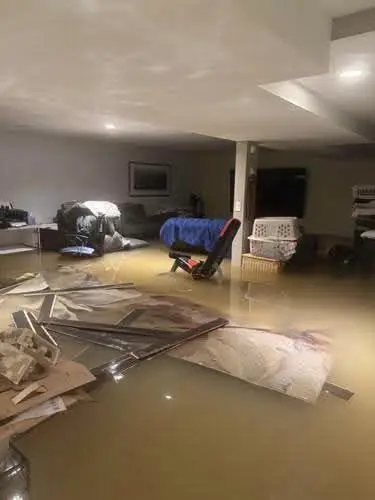
Do not go back in until it is safe. Floodwater is contaminated, so wear boots and gloves, keep children and pets out, and photograph everything before cleaning. Wet drywall, insulation and carpet that floodwater touched usually have to be removed, and the structure has to be dried before rebuilding to prevent mold. Storm and flood damage explains the cleanup, and what causes mold to grow after water damage explains why speed matters.
Smaller storms matter too
Most storm damage in the county is not a major flood. It is a basement that took on a few inches during a downpour, a roof leak after wind, or a tree through the roof. The same preparation helps with all of them. For basement-specific fixes, read how to reduce the risk of basement moisture, and for a full list of local causes, common causes of water damage in Charleston homes. If a storm leaves an opening in the house, emergency board-up keeps the weather out.
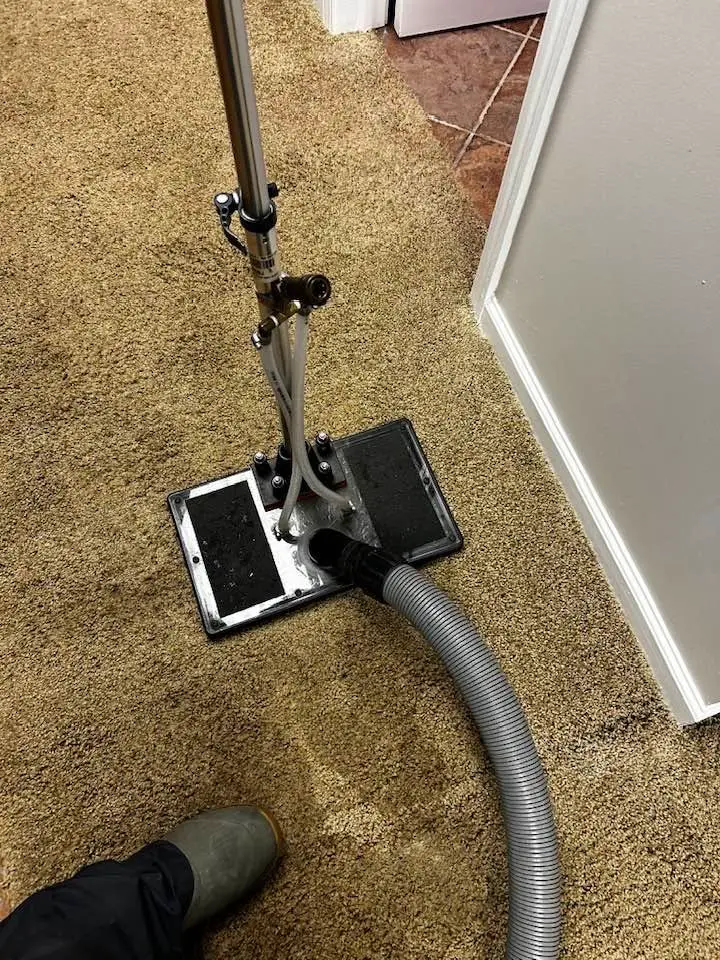
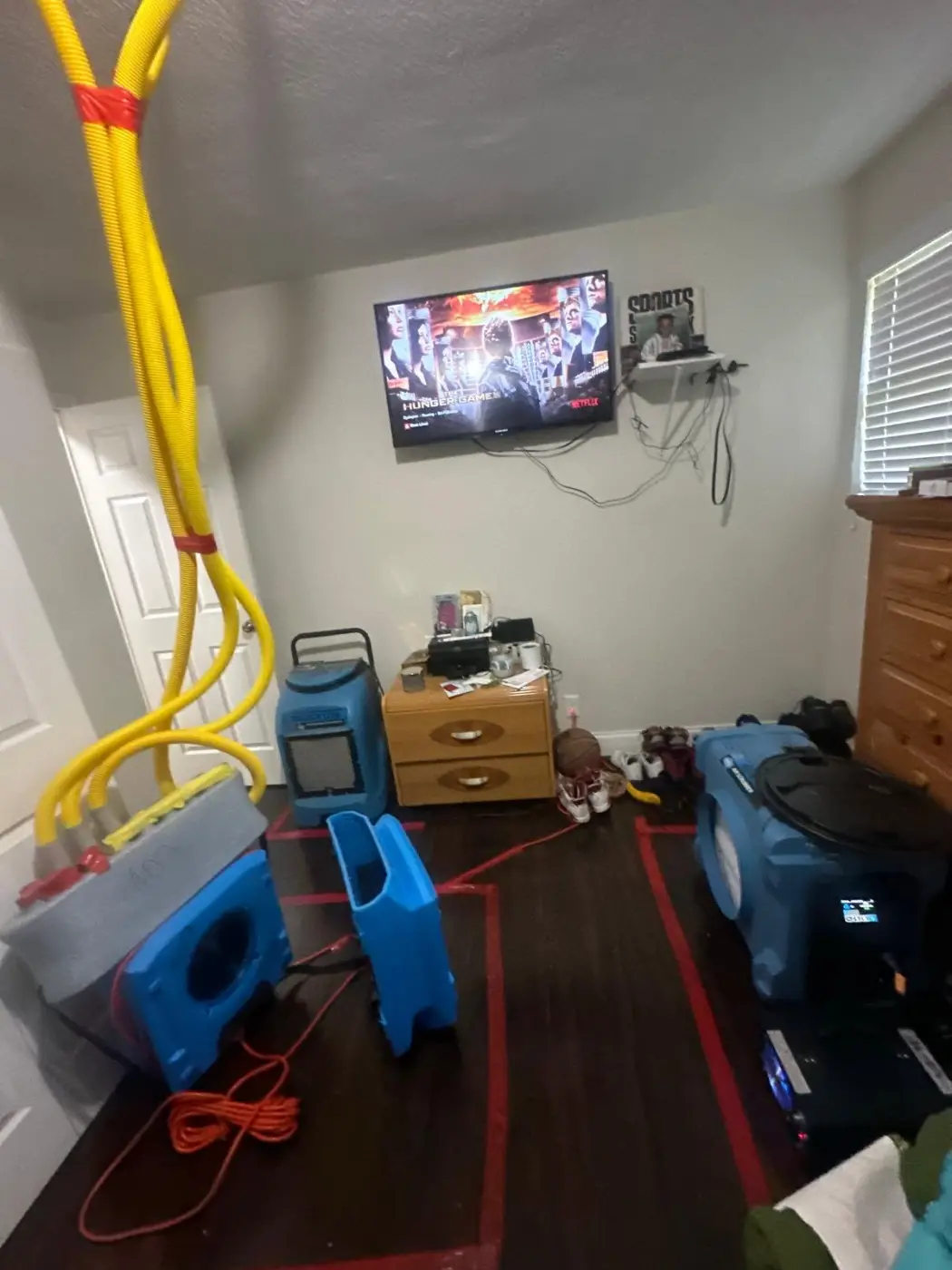
Call to be connected with an independent local provider for extraction and drying.
Storm preparation FAQs
When should I buy flood insurance?
Well before you need it. New National Flood Insurance Program policies usually take 30 days to start, so buying when a storm is forecast is too late.
Do sandbags keep water out of a house?
They can divert shallow, slow-moving water away from doors and low openings, but they do not stop deep or fast water, and they do not stop water rising through the floor.
Is a battery backup sump pump worth it?
In most basements, yes. Pumps are needed most during long, heavy rain, which is also when power outages are most likely.