The short answer
You can usually handle a small, clean-water spill caught right away, a little soot on a hard surface after a tiny kitchen flare-up, or less than about 10 square feet of mold on a hard surface. Call a professional when the water is gray or black, it soaked into carpet, walls or ceilings, it sat for more than a day, there is a fire beyond a small flare-up, mold covers a larger area or is inside walls, or anyone in the home has health concerns.
Quick decision table
| Situation | DIY is usually fine | Call a professional |
|---|---|---|
| Spilled water on a hard floor, cleaned within the hour | Yes | |
| Overflowing sink that wet a rug and nothing else | Yes, dry the rug fully | If the pad or subfloor got wet |
| Burst pipe or water heater failure | Yes | |
| Water in carpet and pad, or in drywall | Yes | |
| Toilet overflow with waste, sewer backup or floodwater | Yes | |
| Water that sat more than a day | Yes | |
| Small grease flare-up, no smoke beyond the kitchen | Often | If odor persists or residue is on cabinets and walls |
| Any fire that spread or filled the house with smoke | Yes | |
| Less than about 10 sq ft of mold on tile or a window sill | Yes, with protection | |
| Mold on drywall, wood, insulation or larger than 10 sq ft | Yes | |
| Musty smell with no visible mold | Yes, for a moisture check |
Why water is harder than it looks
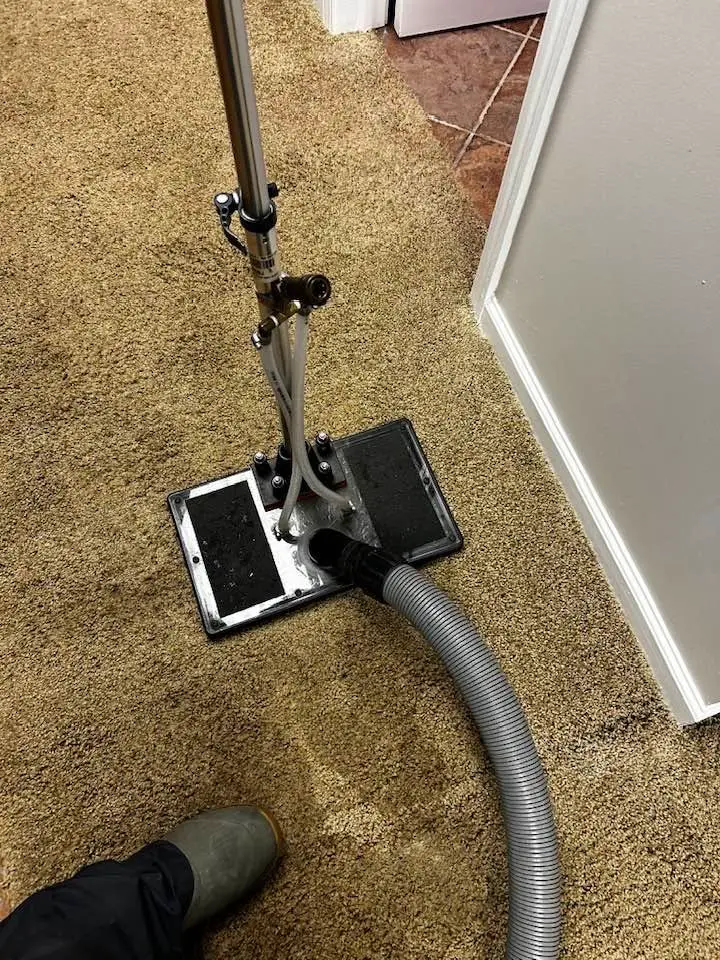
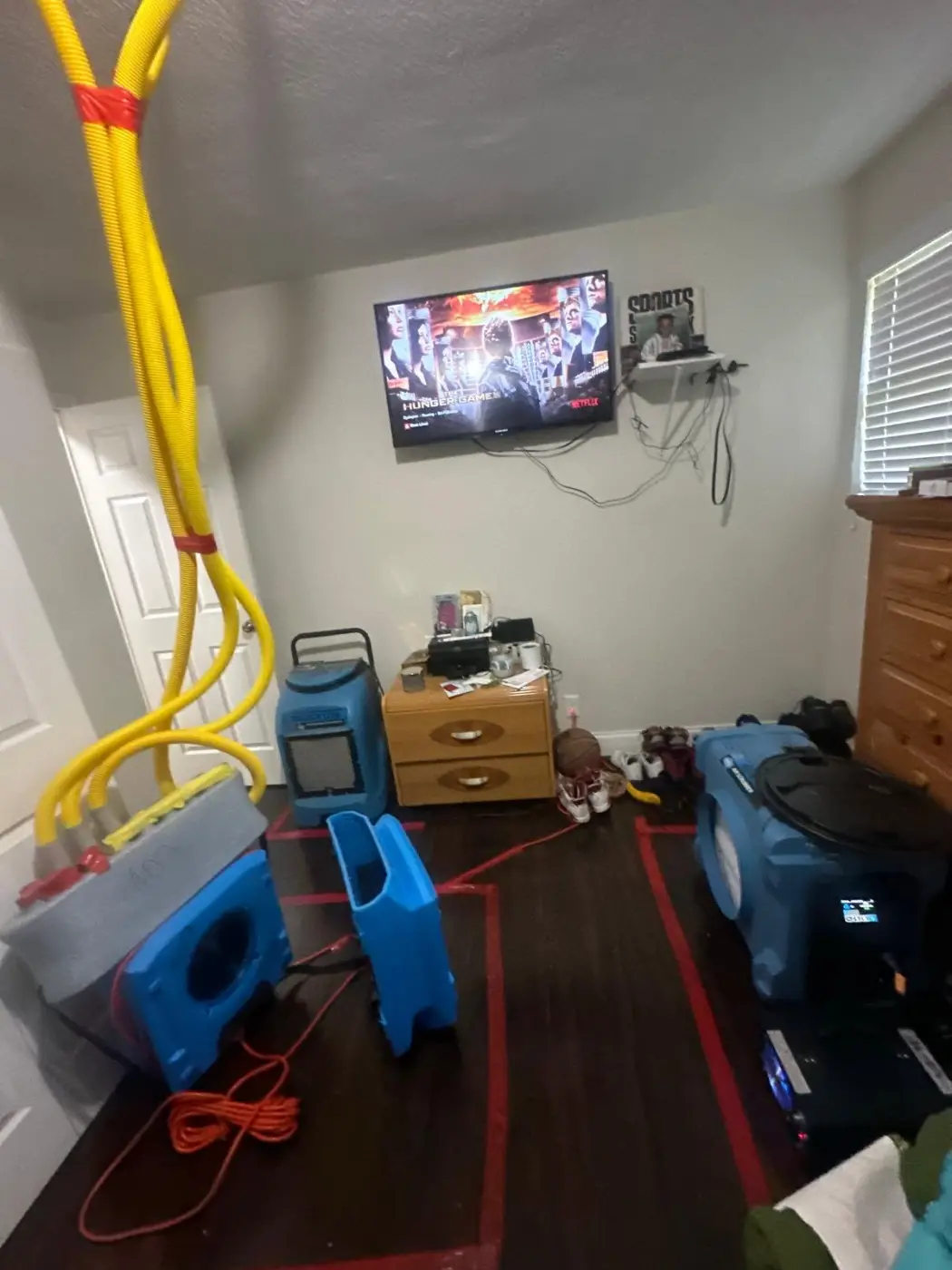
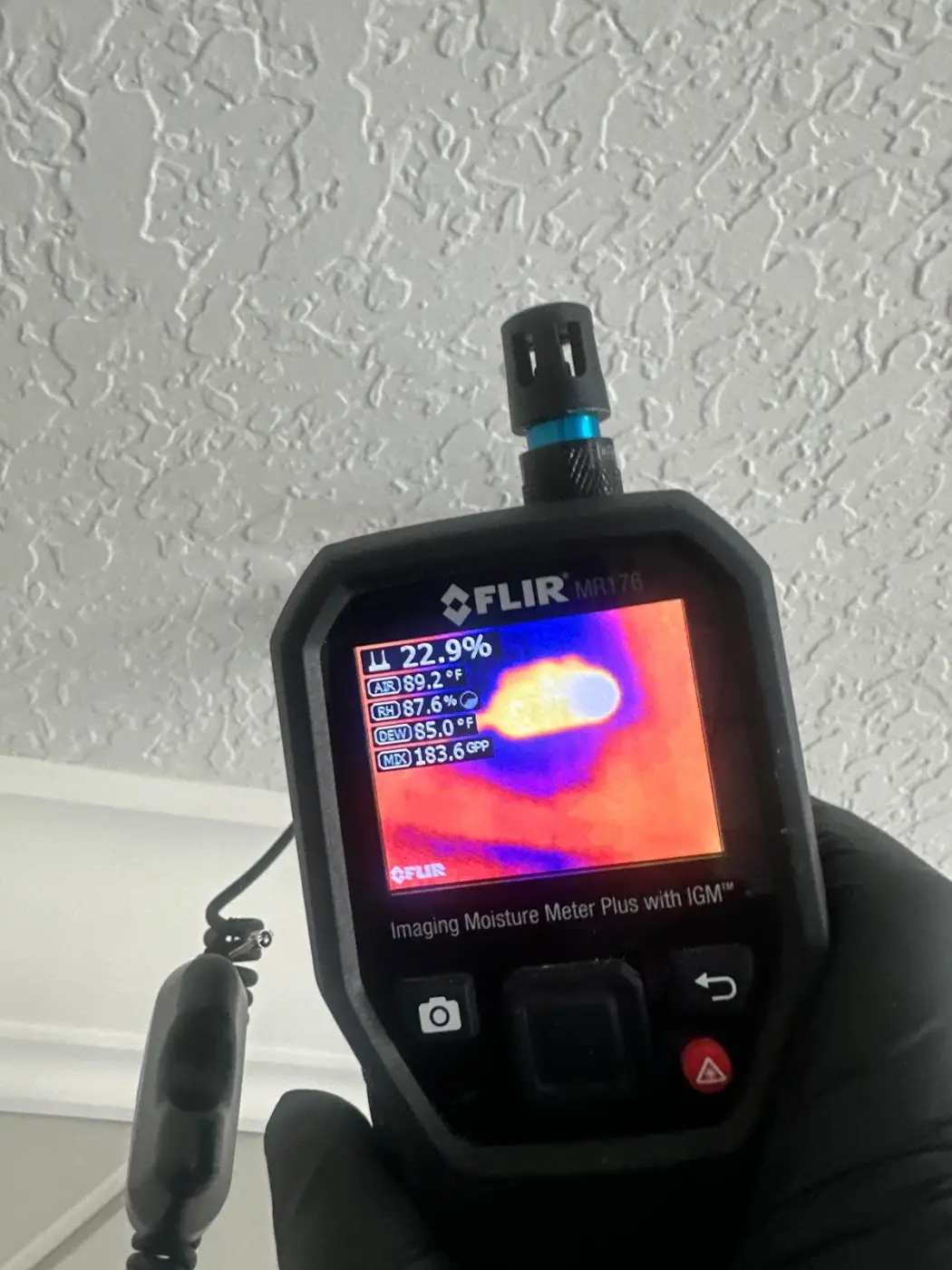
The water you can see is rarely the problem. It is the water that wicked into the drywall, spread under the flooring and soaked the subfloor. Household fans and towels dry the surface and leave the structure wet. Professionals use moisture meters and thermal cameras to find where the water went, extraction equipment to remove far more of it, and air movers and low-grain dehumidifiers to dry the structure, then prove it with readings. How structural drying works explains why that matters.
Why smoke is harder than it looks
Soot is oily and acidic. Wiping it with household cleaners often smears it into walls and sets the stain. The odor lives in porous materials and ductwork, so it returns after surface cleaning. Professionals match the cleaning method to the type of soot, clean the HVAC system, and use deodorizing methods such as thermal fogging or hydroxyl generators. How smoke odor is removed from a house covers the process.
Why mold is harder than it looks
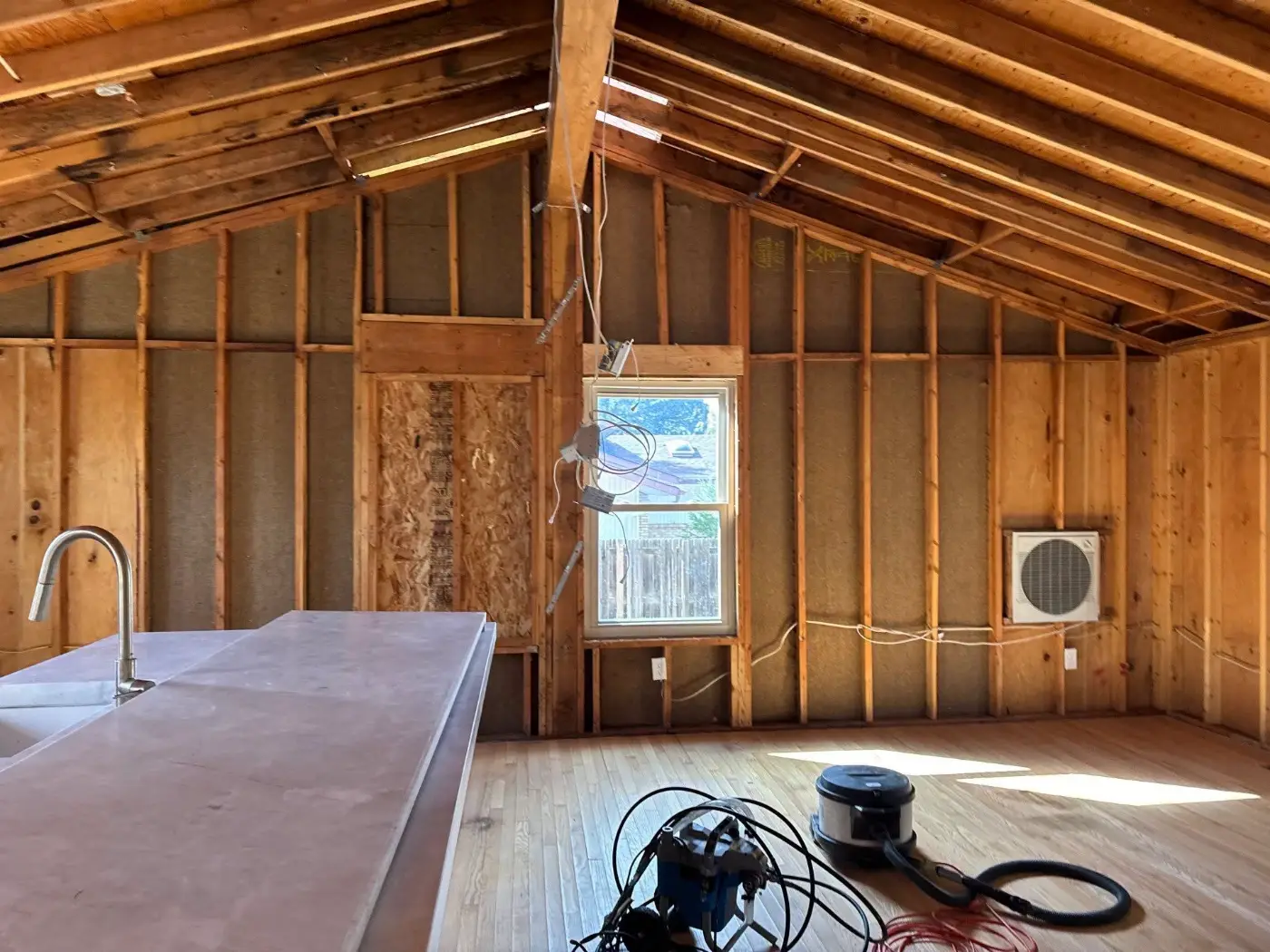
Disturbing mold releases spores. Scraping or tearing out moldy drywall without containment can spread it through the house. Mold also grows into porous materials, so surface cleaning does not remove it. Professional remediation uses containment, HEPA air filtration and removal of affected materials, then fixes the moisture source. See what happens during professional mold remediation.
Safety comes first
Skip DIY entirely if:
- Water is near outlets, appliances or the electrical panel and you cannot safely cut the power
- The ceiling is sagging or the floor feels soft
- The water came from sewage or outside floodwater
- The fire department has not cleared the building
- Anyone in the home is pregnant, very young, elderly, has asthma or a weakened immune system and would be near mold or soot
If you do it yourself
- Wear gloves, eye protection and, for mold or soot, an N-95 respirator.
- Use a wet-dry vacuum, not a household vacuum, for water.
- Remove wet rugs and pad; most pad cannot be saved.
- Run a dehumidifier and keep windows closed in humid weather.
- Do not paint, patch or reinstall flooring until you are sure everything is dry.
- Watch for musty smell, stains or warping over the next two weeks.
How to choose a restoration provider
If you call a professional, ask:
- Do your technicians follow IICRC standards (S500 for water, S520 for mold)?
- Will I get moisture readings at the start, daily and at the end?
- What will be removed and why, and will I get a written scope before work beyond emergency extraction?
- Do you handle repairs, or only mitigation?
- Are you licensed and insured for this work in West Virginia?
- Can I see references or reviews from local customers?
Be cautious about anyone who pressures you to sign immediately, asks for full payment up front, or cannot explain what they found. When you call the number on this site, you are connected with an independent local restoration provider, and any work and price are agreed directly between you and them.
The cost question
DIY looks cheaper, and for small, clean, quickly caught spills it is. For anything larger, incomplete drying or improper mold and soot cleanup often leads to a second, bigger repair. How much water damage restoration costs explains what drives the price, and water mitigation vs. restoration explains what each stage includes.
For an overview of each service, see water damage restoration, fire and smoke damage restoration and mold removal.
Call and describe the damage. You will be connected with an independent local provider.
DIY vs. professional FAQs
Can I dry wet carpet myself?
If only the carpet surface got wet with clean water and you dry it within a day, often yes. If the pad or subfloor is wet, the pad usually needs to be removed and the floor dried with professional equipment.
Is it safe to clean mold with bleach?
On small areas of hard, non-porous surfaces, a detergent or diluted bleach can work. Bleach does not remove mold from drywall or wood and should never be mixed with ammonia.
Does calling a professional mean replacing everything?
No. Good drying often saves flooring, framing and contents that would be lost to slow, incomplete DIY drying.